
What Makes You Trust an Experience Before You Get There
When you’re booking something — a hotel, a resort, even a restaurant — you’re not just buying a product.
You’re buying a feeling you haven’t had yet.
And most of that decision happens digitally.
You Decide Before You Arrive
Before you ever step foot somewhere, you’ve already made a judgment.
You’ve decided:
this feels worth it
this feels expensive (or not)
this feels like my kind of place
I trust this / I don’t
And that decision isn’t coming from one thing.
It’s not just:
reviews
or ratings
or even videos
It’s the entire digital experience working together.
It’s Not Just What You Show — It’s How It Feels
A lot of brands think trust comes from:
more content
more proof
more information
But I don’t think that’s what actually does it.
It’s the feeling you get while you’re browsing.
Is it calm or chaotic?
Is it clear or overwhelming?
Does it feel intentional or thrown together?
You can feel when something is considered.
And you can feel when it’s not.
What I’ve Noticed Booking Trips
I’ve been paying more attention to this recently, especially looking at resort brands like Club Med.
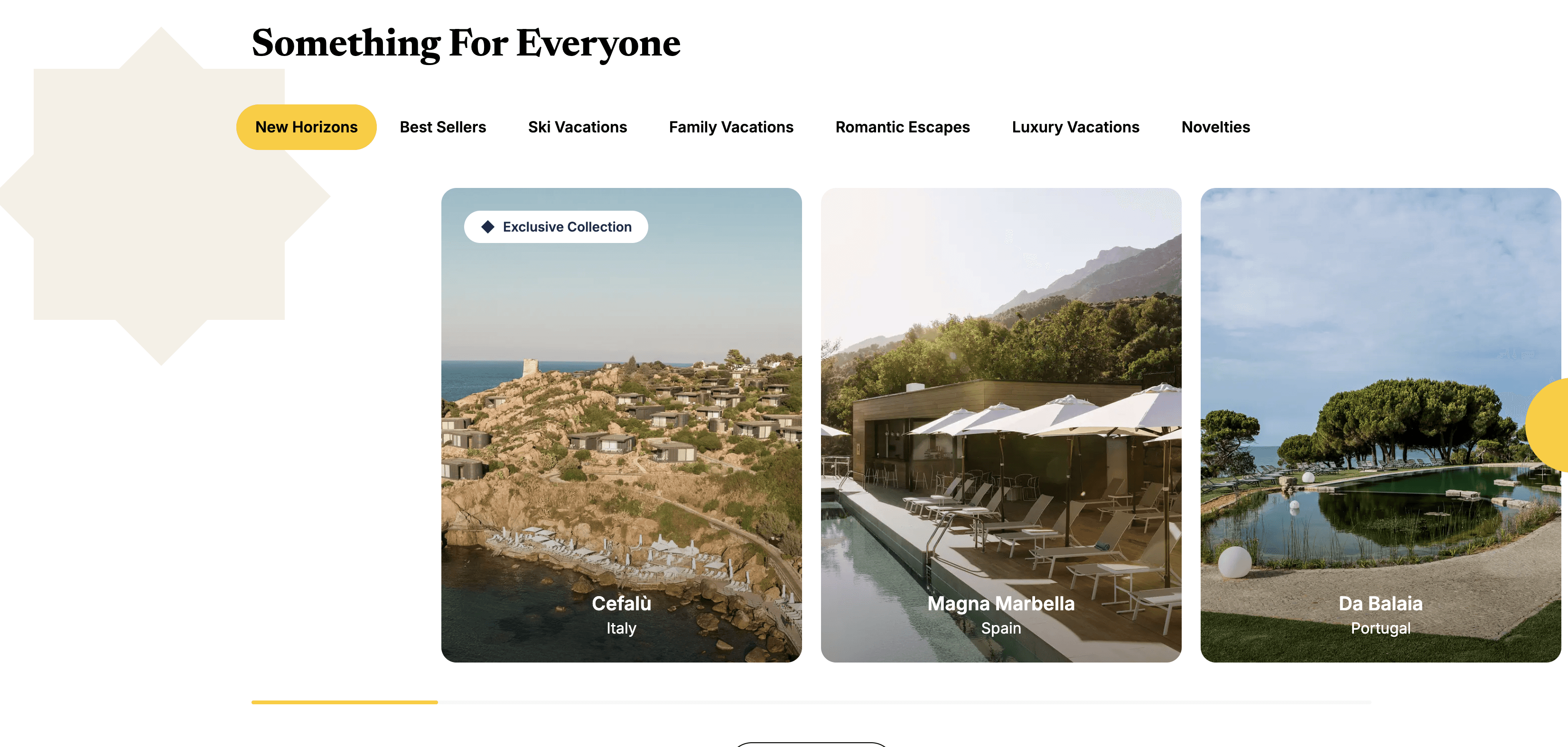
(Club Med Homepage)
Club Med takes an experience first, resort second approach because it understands that's what people are looking for.
Some experiences just click immediately.
Not because they’re showing more — but because everything feels aligned:
imagery
pacing
tone
structure
Nothing feels accidental.
And that creates trust faster than any review ever could.
Digital Is the First Part of the Experience
This is the shift I keep coming back to.
The website isn’t separate from the experience.
It is the beginning of it.
Before:
the check-in
the service
the physical space
You’re already experiencing the brand through:
how it presents itself
how it guides you
how it makes you feel
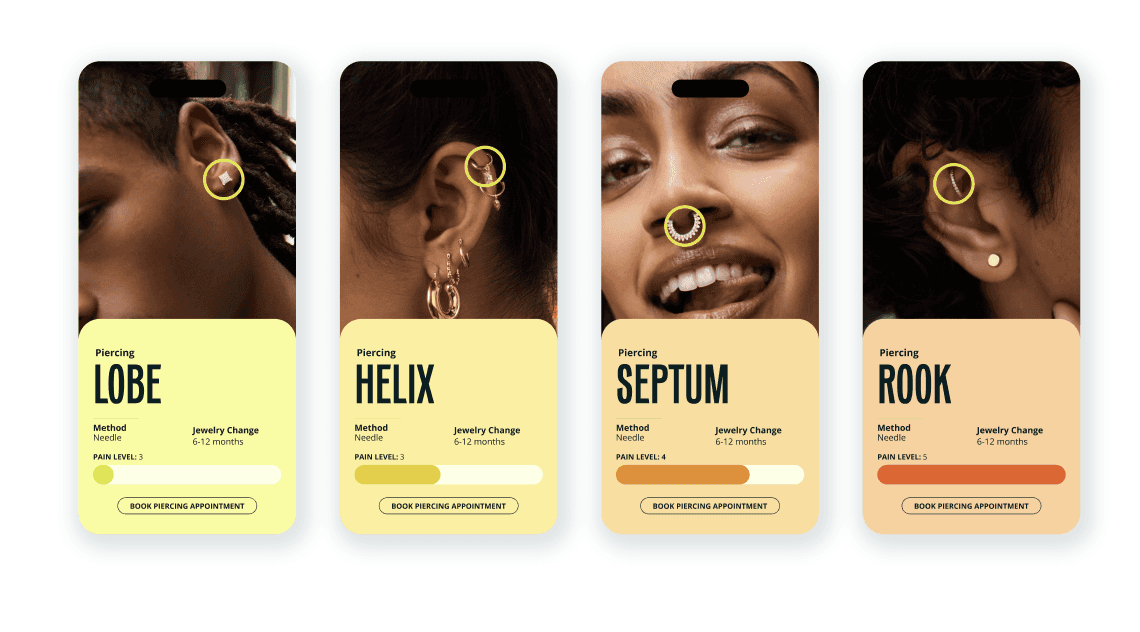
If that part feels off, everything else is harder to believe. For example, this new piercing module for Banter conveys its piercing expertise while maintaining brand feel.
Exploring This Through Reikhart House
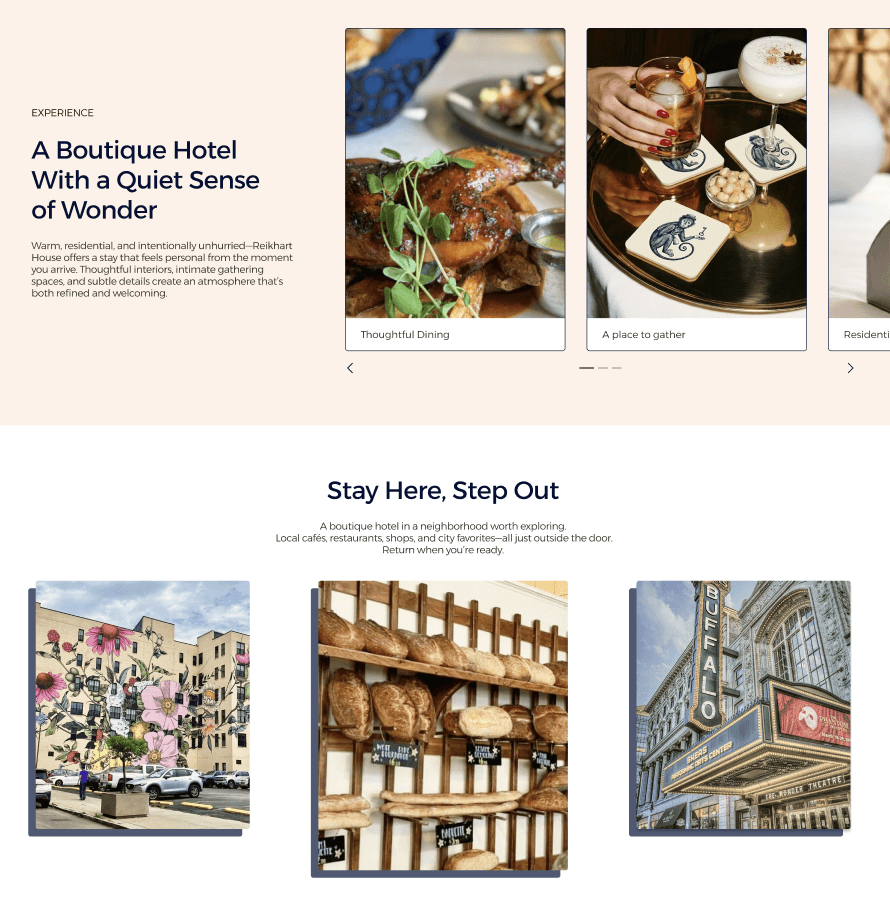
This idea is something I wanted to push further in my Reikhart House concept project.
Instead of focusing on the rooms themselves, guide users through what they will experience first, is it the dining, the area, is it the vibe, or the events.
Instead of treating the website like a brochure, I approached it as part of the stay itself.
the pacing of the homepage
how rooms are introduced
how the story unfolds as you scroll
The goal wasn’t just to show the hotel.
It was to make you feel like you were already there.
That sense of immersion — even digitally — is what starts to build trust.
What Breaks Trust Immediately
It’s usually not one big thing.
It’s small signals:
inconsistent visuals
unclear messaging
clunky interactions
things that feel outdated
Even if the actual experience is great, those signals create doubt.
And doubt is hard to recover from.
What Builds Trust (Quietly)
The things that work are often subtle:
clear structure
confident messaging
restraint in design
a sense that everything has been thought through
It doesn’t need to be flashy.
It just needs to feel intentional.
How This Shows Up in My Work
This is something I think about across very different types of projects.
With Banter, it shows up in making the brand feel cohesive and current — so people actually want to engage with it.
With USA Granite, it’s about making a service business feel trustworthy enough that someone will take the next step.
Different industries, same underlying idea:
People are reacting to how something feels long before they evaluate the details.
You’re Not Designing a Website — You’re Designing Expectation
This is the part that feels most important.
Digital design isn’t just about:
usability
or content
or visuals
It’s about shaping expectation.
What someone thinks they’re going to get.
And whether they believe you.
The Real Question
It’s not:
“does this look good?”
It’s:
“does this make me believe the experience will be good?”
Because once someone believes that,
everything else becomes easier.